


Strengthening your immune system isn't about some magic pill; it’s about a consistent, plant-focused strategy. Think of it as a three-legged stool: a nutrient-rich vegan diet, mindful lifestyle choices like sleep and stress management, and strategic supplementation to fill in any nutritional gaps. Together, they create a powerful, natural defense network for long-term health.
Your Foundation for a Resilient Immune System
Building a robust immune system is less about quick fixes and more about creating a durable, everyday strategy. For those of us living a vegan or vegetarian lifestyle, this means leaning into the powerful synergy between what we eat, how we live, and the targeted support we choose. It’s a proactive approach that equips your body to handle whatever life throws at it.
This guide is your roadmap. We’ll dive into the core components that create lasting immune resilience, moving beyond generic advice to give you actionable steps that actually work for a plant-based life.
The Three Pillars of Vegan Immune Support
A strong defense system relies on several interconnected factors working in harmony. If you focus on nailing these three areas, you're building a rock-solid foundation for your well-being.
- Nutrient-Dense Diet: This is your primary line of defense, no question. A well-planned vegan diet, rich in vitamins, minerals, and antioxidants, provides the raw materials your immune cells need to function at their best.
- Mindful Lifestyle Habits: You can't out-eat chronic stress and poor sleep. These habits silently weaken your body’s defenses. Mastering things like getting 7-9 hours of quality sleep and finding healthy ways to manage stress are non-negotiable for peak immunity.
- Strategic Supplementation: Let's be real—even the most pristine diet can have occasional gaps. Smart, targeted supplementation with superfoods like chlorella and spirulina can enhance your nutritional intake and give your body's natural detoxification pathways some extra love.
A powerful immune system is not built overnight. It's the result of consistent daily choices that nourish your body, calm your mind, and support your natural defense mechanisms.
Why This Holistic Approach Matters
Here’s the thing: focusing on just one aspect, like diet alone, just isn't enough. Imagine your immune system as a high-performance car. The best fuel (your diet) won't do much good if the engine (your body) is constantly overworked from lack of rest and chronic stress. Each pillar supports the others, creating a system that is far greater than the sum of its parts.
This integrated strategy works hand-in-hand with modern health advancements. Global immunization efforts, for example, have saved an estimated 154 million lives over the last 50 years—a truly monumental achievement. While vaccination is a cornerstone of public health, fortifying your body’s natural resilience is the perfect complement.
This is where nutrient-dense superfoods come in. They support cellular health and detoxification, which are crucial for withstanding everyday stressors. For instance, organic chlorella, packed with chlorophyll, aids in heavy metal detox and enhances nutrient absorption. People are catching on, too. The immune health supplements market was valued at $25.92 billion in 2024 and is projected to hit $44.04 billion by 2032. You can learn more about these global health milestones on who.int.
To make this simple, here's a quick look at how these pillars work together.
Vegan Immune Support Pillars at a Glance
| Strategy Pillar | Key Action | Why It Matters for Vegans |
|---|---|---|
| Nutrient-Dense Diet | Eat a rainbow of fruits, vegetables, legumes, and whole grains. | Ensures a broad spectrum of vitamins, minerals, and antioxidants essential for immune cell production and function. |
| Mindful Lifestyle | Prioritize 7-9 hours of quality sleep and manage stress daily. | Reduces cortisol levels and inflammation, which can suppress immune activity if left unchecked. |
| Strategic Supplementation | Fill nutritional gaps with targeted supplements like Vitamin D, Zinc, and Chlorella. | Addresses common nutrient shortfalls in plant-based diets and provides an extra layer of defense and detoxification support. |
By weaving these three strategies into your daily life, you create a robust and resilient immune system that's ready for anything.
Fueling Your Defenses with Vegan Nutrition
A strong immune system isn't built overnight—it's forged one meal at a time. For those of us on a plant-based diet, we have a huge advantage because we're already focusing on whole foods. But to really supercharge your body's defenses, we need to get specific about the nutrients that act as the fuel for your internal army.
It's all about knowing where to find the good stuff in plant-based sources so you can build an immunologically powerful plate.
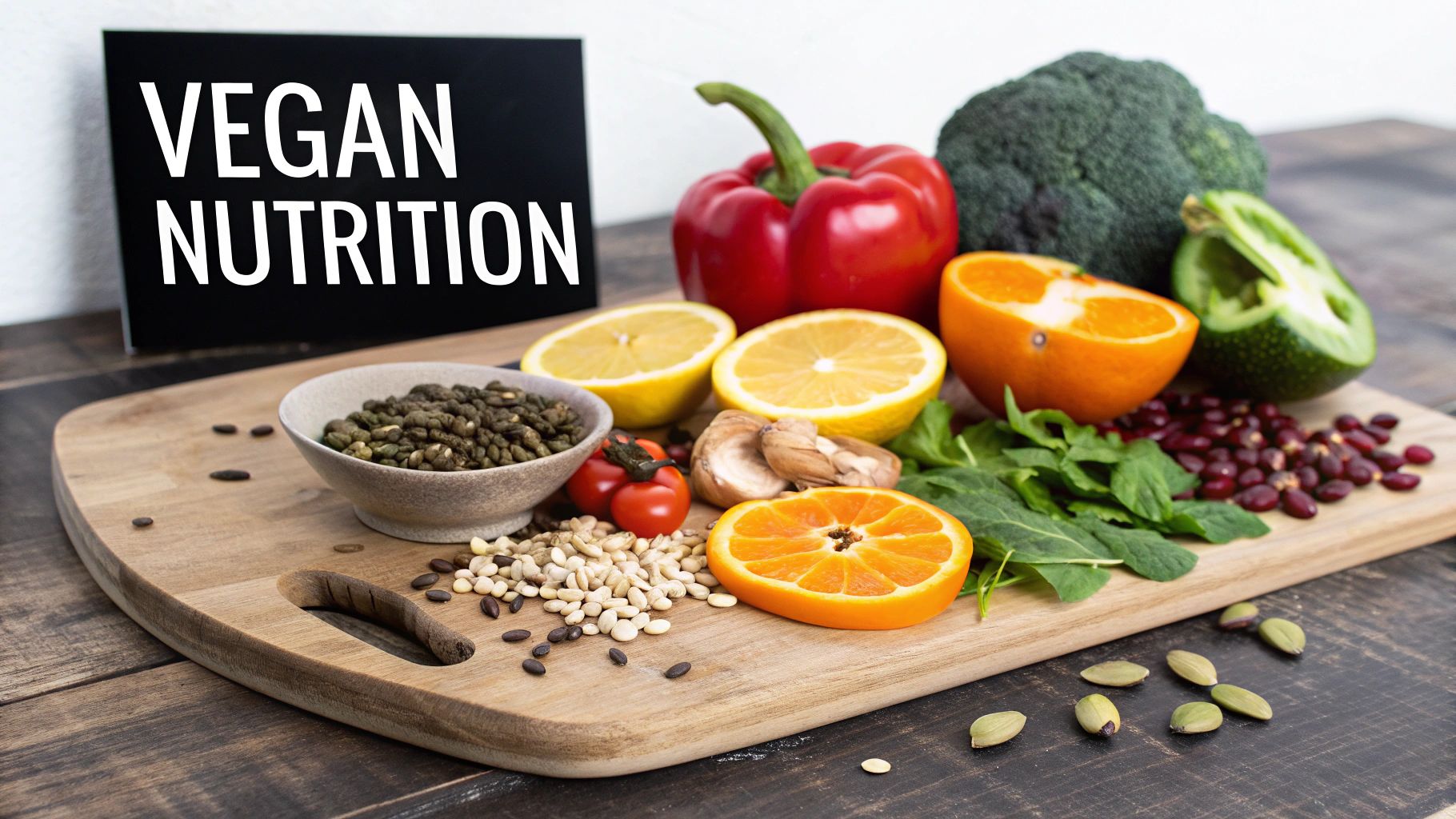
This isn't about being restrictive; it's about being strategic. By honing in on a few key vitamins and minerals, you give your body the exact tools it needs to build a resilient defense system from the inside out.
The Micronutrient All-Stars for Your Immune System
Certain nutrients are the MVPs when it comes to producing and activating immune cells. As a vegan, making sure you get enough of these is absolutely critical. Let’s break down exactly what you need and where to find it.
- Vitamin C: This is the one everyone knows, and for good reason. It helps stimulate the production of white blood cells, which are your body's front-line infection fighters. The great news? A plant-based diet is practically overflowing with it. Forget just oranges—a single red bell pepper packs over 150% of your daily needs.
- Zinc: This mineral is non-negotiable for immune cell growth and communication. If you're low on zinc, your immune system's ability to coordinate an attack can be seriously compromised.
- Selenium: Think of selenium as a powerful antioxidant that helps calm the storm. It lowers oxidative stress in your body, which in turn reduces inflammation and lets your immune system do its job more effectively.
- Vitamin D: Often called the "sunshine vitamin," it’s a key regulator of your immune response. Honestly, most people—vegan or not—don't get enough of this one.
Building your immune fortress is a daily practice. It's about consciously choosing foods that arm your body with the exact tools it needs to protect you, turning every meal into an opportunity for reinforcement.
Putting Nutrients on Your Plate
Okay, knowing what you need is step one. The real magic happens when you start effortlessly weaving these foods into your day. Here's a practical guide to the best vegan sources.
Zinc Sources and Serving Ideas
Getting enough zinc on a vegan diet is totally doable with a bit of intention. It's a cornerstone of learning how to strengthen immune system effectively.
- Pumpkin Seeds (Pepitas): A small handful (1/4 cup) gives you a major zinc boost. I love sprinkling them on salads and oatmeal, blending them into smoothies, or just eating them by the handful.
- Lentils: One cooked cup of lentils is a protein and zinc powerhouse. They're my go-to for hearty soups, stews, and homemade veggie burgers.
- Tofu and Tempeh: These soy staples are incredibly versatile. Since they soak up flavor so well, they're easy to add to stir-fries, breakfast scrambles, and sandwiches.
Selenium Sources and Serving Ideas
Selenium is a trace mineral, which means you don't need a lot—but that small amount does some heavy lifting.
- Brazil Nuts: This is the undisputed champion of selenium. Seriously, just one or two Brazil nuts a day can cover your entire daily requirement. Don't go crazy, though; too much selenium can be toxic.
- Sunflower Seeds: Another super easy source. Add them to your trail mix, sprinkle on non-dairy yogurt, or mix them into your morning oatmeal.
Vitamin C Sources and Serving Ideas
While citrus fruits get all the glory, plenty of other plants are loaded with Vitamin C.
- Bell Peppers: Red, yellow, and orange varieties are ridiculously high in C. Slice them up for dipping in hummus or toss them into stir-fries for a pop of color and nutrition.
- Broccoli: Lightly steaming broccoli helps preserve its nutrients. It makes a fantastic, simple side dish or a great addition to any pasta bowl.
- Strawberries: A cup of fresh strawberries is a delicious way to get your C in, whether in a smoothie or as a simple dessert.
The Unsung Heroes: Protein and Vitamin D
While we're talking micronutrients, let's not forget the basics. Protein is what provides the amino acids needed to build antibodies—your immune system's specialized soldiers. Make sure every meal has a solid protein source like beans, tofu, quinoa, or nuts.
Vitamin D is the tricky one. While you can find it in some mushrooms and fortified plant milks, your most reliable sources are sensible sun exposure (15-20 minutes a few times a week, depending on your skin tone and where you live) or a good supplement, especially in the winter.
Pairing all these powerhouse nutrients with fiber-rich foods is the ultimate strategy. For more on that, you might like our guide on how high-fiber vegetables boost your immune system.
Mastering Lifestyle Habits for Peak Immunity
While a nutrient-dense diet lays the groundwork, your daily habits are what truly build immune resilience. What you eat is only half the battle; how you live, rest, and manage stress completes the picture. This is where you transform good nutrition into a powerful, functional defense system.
Think of it this way: your diet provides the building blocks for your immune cells, but your lifestyle habits dictate how effectively those cells are produced and deployed. Neglecting sleep or letting stress run wild is like trying to build a fortress during a constant earthquake—it just won’t hold up.
Prioritize Restorative Sleep
Sleep is perhaps the most underrated pillar of a strong immune system. It's during these crucial hours that your body performs essential maintenance, producing and circulating vital immune cells like T-cells and cytokines that are critical for fighting off invaders.
When you consistently get 7-9 hours of quality sleep, you’re giving your body the time it needs to recharge its defenses. Chronic sleep deprivation does the opposite. It puts your body in a state of stress, making you far more vulnerable to getting sick after being exposed to a virus.
Quality sleep is your immune system's secret weapon. Chronic sleep deprivation ramps up proinflammatory markers, but research confirms that eliminating sleep issues can lead to improvements in these markers comparable to the benefits seen from aerobic exercise or healthy diets.
For those of us on a vegan diet, this is even more relevant. While our diets are rich in many nutrients, certain ones like B12 and zinc can require more attention. Superfoods can help bridge these gaps; for instance, Taiwan-sourced organic chlorella helps detoxify while supplying these essential micronutrients. This synergy between diet and lifestyle is why the global supplement market is projected to grow from $25.92 billion in 2024 to $44.04 billion by 2032. You can read the full research about these sleep-related findings.
Tame Chronic Stress
Stress is a normal part of life, but chronic, unmanaged stress is a silent saboteur of your immune defenses. When you're constantly stressed, your body pumps out cortisol, a stress hormone that, over time, suppresses your immune system's effectiveness.
This leaves you more susceptible to infections and inflammation. Finding simple, sustainable ways to manage your daily stress is essential for anyone looking to figure out how to strengthen immune system for the long haul.
Here are a few evidence-backed techniques I rely on:
- Mindful Moments: You don’t need an hour-long meditation session. Just taking five minutes to focus on your breath can significantly calm your nervous system. Try setting a timer and simply observing your inhales and exhales.
- Nature Exposure: Spending even 20 minutes in a park or green space can lower cortisol levels. If you can't get outside, even looking at pictures of nature has been shown to have a calming effect.
- Journaling: Getting your worries out of your head and onto paper can be incredibly therapeutic. It helps you process emotions and can prevent that mental loop of anxious thoughts.
Find Your Exercise Sweet Spot
Exercise is a powerful tool for boosting immunity, but it's all about finding the right balance. Too little movement can lead to a sluggish system, while excessive, high-intensity training without adequate recovery can actually suppress it. The goal is the 'Goldilocks zone' of moderate, consistent activity.
This type of movement helps your immune cells circulate more efficiently throughout your body, meaning they're better able to detect and deal with pathogens before they become a problem.
What Does Moderate Exercise Look Like?
You don't need to run marathons to reap the benefits. The key is consistency and finding activities you genuinely enjoy.
- Brisk Walking: Aim for 30-45 minutes most days of the week. This is one of the most accessible and effective forms of moderate exercise.
- Cycling: Whether outdoors or on a stationary bike, cycling is a great low-impact option.
- Yoga: A flowing vinyasa class not only gets your body moving but also incorporates the stress-reducing benefits of deep breathing and mindfulness.
- Light Jogging or Hiking: These activities get your heart rate up without pushing you into an exhaustive state.
Ultimately, mastering these lifestyle habits—sleep, stress management, and balanced exercise—is just as important as the food on your plate. By integrating them into your daily routine, you create a truly resilient foundation for lasting health. A robust gut microbiome plays a huge role in this, and you might be interested in our guide on the best probiotics for gut health to support that foundation.
Using Superfoods for Targeted Immune Support
Even with the most dialed-in vegan diet, life can throw you a curveball. A stressful week at work, a packed travel schedule, or just the changing of the seasons can sometimes leave you with small nutritional gaps. This is where a few targeted superfoods can make a real difference—not as a substitute for whole foods, but as a strategic boost to keep your body's defenses running on all cylinders.
We're not talking about stocking your cabinet with a dozen random bottles. The goal is to focus on a few powerhouse superfoods with specific, evidence-backed benefits to fortify your immune system from the inside out.
Chlorella for Detoxification and Nutrient Density
Think of chlorella as your daily green insurance policy. This single-celled freshwater alga is a nutritional giant, absolutely loaded with chlorophyll, protein, iron, and vitamin B12—a nutrient that's especially important for anyone on a plant-based diet.
But its real claim to fame is its ability to support your body's natural detoxification processes. Chlorella has a unique knack for binding to heavy metals and other environmental toxins, helping your body safely show them the door. This is a bigger deal for immune health than you might think; a lower toxic load frees up your system to focus its energy on fighting off actual pathogens.
A great way to start is by incorporating 1-3 grams of 100% Organic Chlorella powder into your morning smoothie or a glass of water. Just make sure you look for products with a "cracked cell wall." This is key, as it dramatically increases digestibility and ensures you're actually absorbing all those incredible nutrients. You can dive deeper into how a chlorella food supplement supports your immune system to get the full picture.
A Chlorella and Spirulina Blend for Comprehensive Nutrition
While chlorella is the star player for detoxification, its cousin spirulina shines in other areas. Spirulina is another blue-green alga that’s incredibly rich in plant-based protein and antioxidants like phycocyanin, offering a different but perfectly complementary nutritional profile.
When you combine them in a 50/50 blend, you truly get the best of both worlds. You get chlorella's detox support working alongside spirulina's potent antioxidant and anti-inflammatory properties. This dynamic duo works together to reduce oxidative stress and deliver a broad spectrum of the micronutrients your immune cells need to thrive.
Consider a chlorella-spirulina blend your foundational green supplement. It covers multiple bases—detox, antioxidant support, and broad-spectrum nutrition—making it an efficient and powerful addition to your daily routine.
For a balanced approach, aim for a daily serving of around 3-5 grams of a 50/50 blend. The powder mixes easily into smoothies and juices, or you can even sprinkle it over savory dishes like a tofu scramble. The key here is consistency; keeping your nutrient levels steady is what builds long-term resilience.
Papaya Seed Powder for Gut Health and Antioxidant Support
Now, let's talk about the gut. It's where a staggering 70-80% of your immune system is located. This means a healthy gut microbiome isn't just a nice-to-have—it's non-negotiable for a strong immune response. This is where papaya seed powder really proves its worth.
Papaya seeds are loaded with powerful digestive enzymes like papain, which help your body break down proteins more efficiently. This not only boosts nutrient absorption but also helps create a balanced gut environment where beneficial bacteria can flourish.
On top of that, these tiny seeds are packed with antioxidants that help protect your cells from damage. This is a critical piece of the puzzle for anyone looking at how to strengthen immune system from a holistic perspective.
Practical Ways to Use These Superfoods
Integrating these superfoods into your day should feel easy, not like a chore. Here are a few simple ideas that I rely on:
- Morning Immune Smoothie: Blend 1 teaspoon of chlorella-spirulina powder and 1/2 teaspoon of papaya seed powder with spinach, a banana, plant-based milk, and a scoop of vegan protein.
- Quick Green Shot: If you're short on time, just mix your chlorella or blend with a small amount of water or coconut water and take it like a shot.
- Savory Sprinkles: The slightly nutty, peppery flavor of papaya seed powder works surprisingly well sprinkled over salads, soups, or avocado toast.
The synergy between a healthy lifestyle and targeted nutrition is incredibly powerful. For example, we know that moderate aerobic exercise boosts the circulation of key immune defenders like immunoglobulins and NK cells. When you pair that activity with antioxidant-rich superfoods like papaya seed powder, which supports the gut where immunity begins, you create a potent one-two punch for resilience. This growing awareness is reflected in the market, with immune supplements forecasted to grow to $44.04 billion by 2032. MySuperFoodRx’s custom vegan formulas, micronized for absorption, are designed to empower this kind of evidence-informed approach to health. Discover more insights about global immunization coverage on who.int.
Putting It All Together: A Sample Immune-Boosting Day
Knowing all the individual components for immune health is one thing, but seeing how they all click together in a daily rhythm is what makes it feel truly possible. This isn't about some rigid, life-altering overhaul. It's about weaving small, potent habits into your existing routine until they become second nature, creating a seamless flow of support from morning to night.
Let's walk through what a day could look like. This blueprint brings all the nutritional and lifestyle advice to life, making a resilient immune system your new normal.
Your Morning Ritual for Energy and Defense
How you start your day really does set the stage for everything else. Instead of hitting the ground running, aim for a mindful morning that nourishes your body and quiets your mind before the world starts making demands.
- 7:00 AM - Hydration First: Before you even think about coffee, grab a large glass of water. I like to add a squeeze of lemon. Your body is naturally dehydrated after sleeping, and rehydrating is crucial for flushing out toxins and getting your cells working properly.
- 7:30 AM - The Ultimate Immune Smoothie: This is your best opportunity to load up on a ton of nutrients at once. I recommend blending spinach, a frozen banana, a scoop of quality plant-based protein, a tablespoon of pumpkin seeds (for that zinc boost!), and a teaspoon of a Chlorella-Spirulina blend. It's a powerhouse of vitamins, minerals, and protein for antibody production, all in one glass.
- 8:00 AM - Mindful Movement: You don't need a grueling workout first thing. Just 15-20 minutes of gentle yoga, stretching, or a brisk walk outside is perfect. This gentle movement gets your lymphatic system—a core part of your immune network—circulating without spiking stress hormones like cortisol.
Navigating Your Day with Immune Intent
The middle of the day is usually when good intentions go out the window. Life gets busy. The key is to have simple, effective strategies in your back pocket so you can stay on track with learning how to strengthen immune system even during the chaos.
A simple superfood flow can help you visualize how to layer in key supplements for the biggest impact.
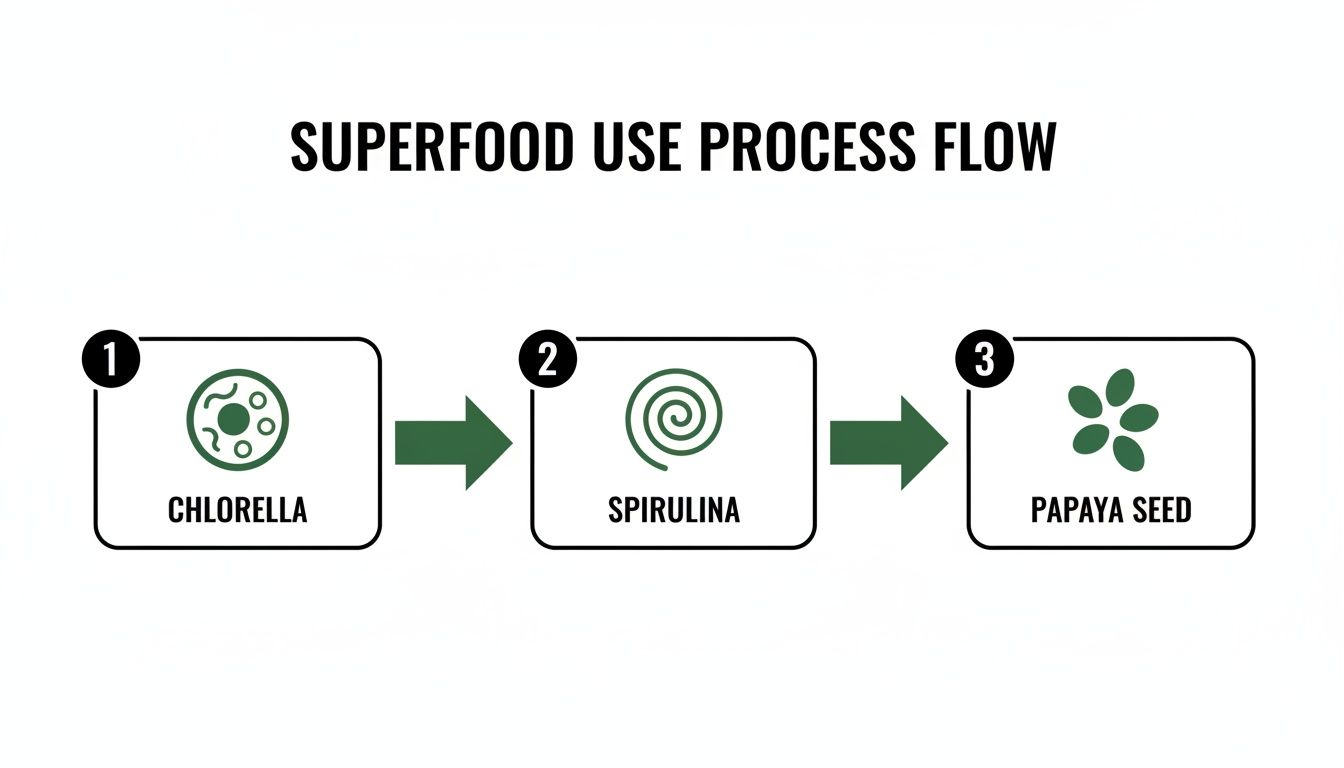
This process shows how starting with a detoxifying base like Chlorella, adding the comprehensive nutrition of Spirulina, and then supporting gut integrity with Papaya Seed Powder creates a layered, synergistic defense strategy.
- 1:00 PM - The Unplugged Lunch: Your lunch break is non-negotiable. Seriously. Step away from your desk and eat a nutrient-packed meal, like a big salad with chickpeas, bell peppers, mixed greens, and a sprinkle of papaya seed powder on top. Focus on your food without scrolling. This simple act of mindful eating dramatically improves digestion and nutrient absorption.
- 3:00 PM - Afternoon Activity Burst: To fight that afternoon slump, get up and go for a brisk 20-minute walk. This little bit of moderate exercise is amazing for boosting the circulation of your immune cells, making them more effective pathogen hunters. It’s also a fantastic mental reset.
Building a resilient immune system isn't about perfection; it’s about consistency. Each small, positive choice you make—from your morning smoothie to your evening wind-down—adds up to create a powerful, cumulative effect on your overall health and well-being.
Winding Down for Restorative Sleep
Your evening routine is the launchpad for the single most critical immune-boosting activity you can do: sleep. The goal here is simple: signal to your body that it's time to shift from "fight or flight" into "rest and repair" mode.
- 7:00 PM - A Nourishing Dinner: Choose a warm, easily digestible meal. Think lentil soup or a tofu and vegetable stir-fry. Heavy, rich foods can disrupt your sleep quality as your body works overtime to digest them.
- 9:00 PM - Digital Detox: Turn off all screens at least an hour before you plan to sleep. The blue light from phones, tablets, and TVs messes with the production of melatonin, the hormone that governs your sleep-wake cycle.
- 9:30 PM - Relaxation Ritual: Create a calming transition to bed. This could be reading a book (a real one!), journaling, or listening to some ambient music. A cup of caffeine-free herbal tea, like chamomile, is a classic for a reason—it works.
- 10:00 PM - Lights Out: Aim for 7-9 hours of solid, uninterrupted sleep. This is when your body does its most important repair work, producing and distributing the T-cells and cytokines that keep you healthy.
Your Questions About Vegan Immune Health, Answered
When you're committed to a plant-based lifestyle, it's smart to ask questions about something as important as your immune system. You want to know you're doing everything right. Let's clear up some of the most common queries so you can feel totally confident in your approach.
Here, we'll dive into the details, address potential concerns, and give you the clarity you need to build a truly resilient system.
Can a Vegan Diet Really Provide All the Nutrients My Immune System Needs?
Yes, absolutely. A well-planned vegan diet is practically overflowing with the good stuff your immune system loves—Vitamin C, antioxidants, fiber, and countless phytonutrients. Just look at the vibrant colors on your plate; those are nature's signs of protective compounds at work.
The trick is simply to be mindful. You just need a conscious plan for getting enough of the micronutrients that aren't as abundant in plants, like zinc, iron, selenium, and vitamin B12. This is where making foods like lentils, pumpkin seeds, Brazil nuts, and fortified products a regular part of your routine becomes so important. For any remaining gaps, targeted supplements like a high-quality chlorella for B12 and iron can easily and effectively top up your levels.
How Long Does It Take to Actually Strengthen My Immune System?
Building a truly resilient immune system is a marathon, not a sprint. While you might notice some great changes—like more energy or better digestion—within a few weeks of being consistent, creating deep, lasting immune strength is a long-term project.
Think of it as an ongoing investment in your well-being, one that pays dividends for months and years to come. Consistency is so much more important than perfection. It's the daily act of sticking with your nutrient-dense diet, prioritizing sleep, managing stress, and getting moderate exercise that builds a truly robust defense network over time.
Strengthening your immune system is a gradual process of layering positive daily habits. Each healthy meal, restful night, and mindful moment contributes to building a stronger, more responsive internal defense over time.
Are Superfoods Like Chlorella and Spirulina Safe to Take Every Day?
For most healthy adults, high-quality chlorella and spirulina are perfectly safe and beneficial for daily use, as long as you stick to the recommended dosage. They're an incredible way to get a concentrated dose of nutrition.
The key word here, though, is quality. It is absolutely non-negotiable. You have to choose a reputable brand that guarantees its purity with rigorous, third-party testing for contaminants like heavy metals. This is the only way to ensure you're getting all the benefits without any unwanted extras. As a rule of thumb, if you have a specific medical condition, an autoimmune disorder, or are pregnant or breastfeeding, it's always best to check with your healthcare provider before adding any new supplement to your routine.
When Should I See a Doctor About My Immune System?
The lifestyle and nutrition strategies in this guide are powerful tools for supporting general wellness and fortifying a healthy system. But they are not a replacement for professional medical care.
It's time to consult a doctor if you notice specific warning signs. These include:
- Frequent, recurring infections, like needing more than two courses of antibiotics in a single year.
- Infections that are unusually severe or just won't seem to clear up.
- A known family history of primary immunodeficiency.
A doctor can run the right tests to give you a proper diagnosis and create a personalized treatment plan if there's a deeper issue that needs to be addressed.
At MySuperFoodRx, we're here to support your wellness journey with premium, organic, and vegan superfoods. Our custom-formulated Chlorella, Spirulina, and Papaya Seed Powder are third-party tested for purity and micronized for superior absorption, giving you a trusted partner in building natural resilience. Explore our full range of immune-supportive supplements at https://mysuperfoodrx.com.
Prepared with Outrank


