


When you think of immune support, your mind probably jumps to vitamin C. While essential, true immune resilience is far more complex, relying on a symphony of nutrients that regulate, activate, and support your body's natural defenses. This guide moves beyond the basics to explore the 10 best foods for immune support, focusing on evidence-backed, vegan-friendly options that build a robust defense from the ground up.
We'll delve into how specific nutrients in superfoods like chlorella, medicinal mushrooms, and even common seeds work to enhance immune cell production, manage inflammation, and strengthen your gut-immune axis. This list provides a blueprint for creating sustainable, long-term immune wellness through strategic, everyday nutrition, not just temporary fixes.
You will learn exactly how these powerful foods function and how to integrate them into your daily routine for optimal effect. We will cover everything from the antimicrobial power of garlic to the gut-balancing benefits of fermented foods, offering actionable tips and serving suggestions for each. This is your comprehensive resource for building a truly resilient immune system with powerful, plant-based nutrition.
1. Chlorella (Organic, Micronized) – Complete Immune Protein & Detox Support
Chlorella is a single-celled, freshwater green algae that packs a powerful nutritional punch, making it one of the best foods for immune support. This vibrant superfood is a complete protein source, containing all nine essential amino acids. Its true immune-boosting strength comes from a high concentration of chlorophyll, beta-glucans, and a unique compound called Chlorella Growth Factor (CGF). These elements work together to enhance the production and activity of vital immune cells, such as T-cells and natural killer (NK) cells.
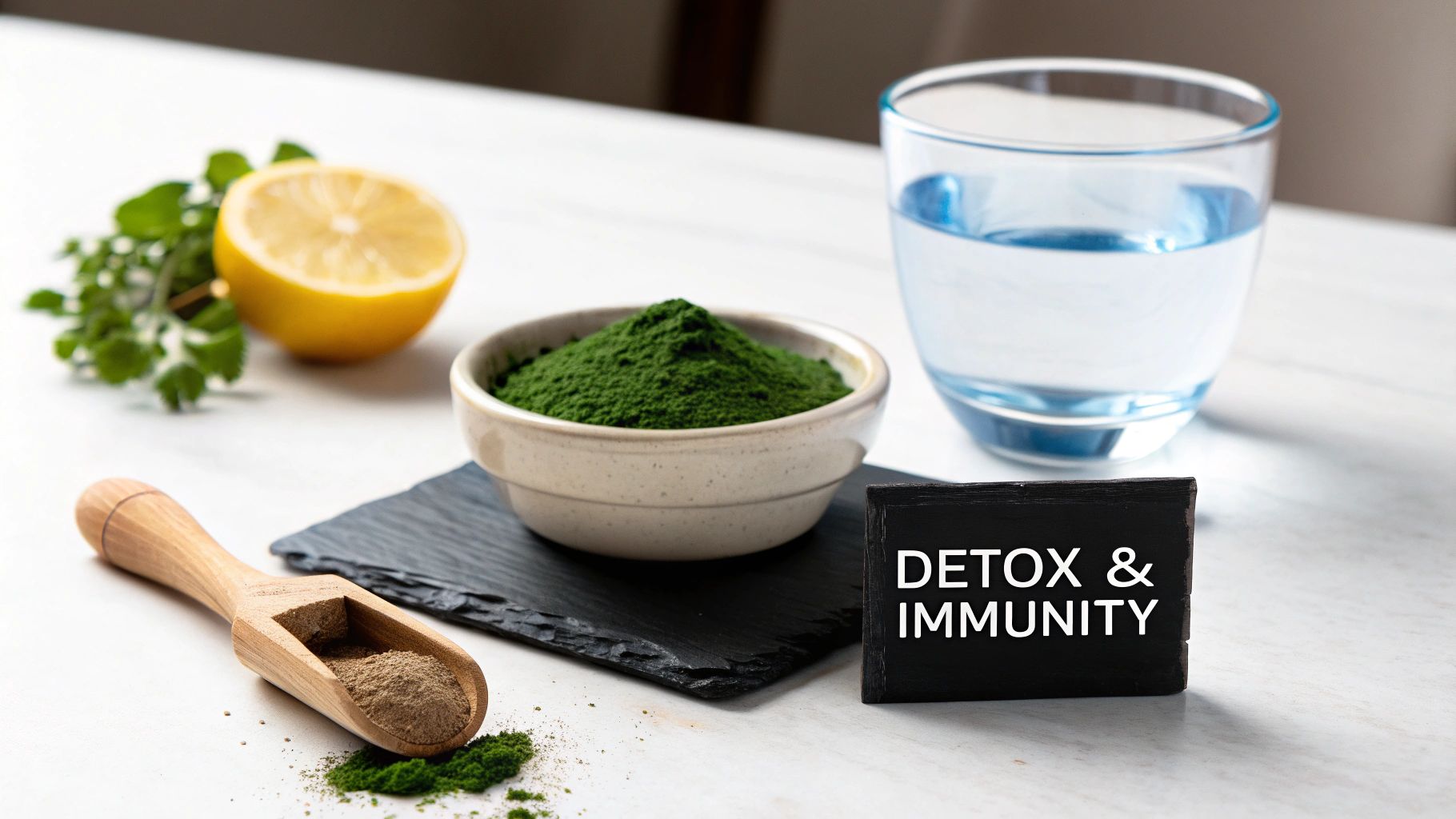
Choosing an organic, micronized chlorella is key. The micronization process breaks down the algae's tough outer cell wall, making its potent nutrients highly bioavailable. This enhanced absorption allows your body to better utilize its immune-modulating properties and its renowned ability to bind to heavy metals, aiding in natural detoxification pathways.
How to Use Chlorella for Immune Health
- For Athletes: Endurance athletes often use chlorella during intense training to help maintain robust immune function and lower their susceptibility to infections.
- For Detoxification: Individuals focusing on cleansing protocols incorporate 3-5 grams daily to support the body’s natural chelation of heavy metals like lead and mercury.
- For Plant-Based Diets: Vegans can easily swap one or two servings of other protein sources weekly with chlorella to diversify their nutrient intake and boost immunity.
Pro Tip: Consistency is crucial for maximizing benefits. Aim for daily use over 30+ days to allow the nutrients to build up and exert their full effect on your immune system.
Practical Tips for Incorporation
To integrate chlorella into your routine, start with a small dose of 1-2 grams daily and gradually increase to 3-5 grams to allow your body to adjust. Taking it with meals can improve tolerance, and pairing it with a glass of water and a squeeze of fresh lemon juice may enhance chlorophyll absorption. For a deeper dive into how chlorella compares with other powerful superfoods, you can explore more about natural supplements for immune support.
2. Spirulina (50/50 Chlorella-Spirulina Blend) – Antioxidant & Immune Activation
Spirulina, a nutrient-dense blue-green algae, is a powerhouse of antioxidants and immune-activating compounds, earning its spot among the best foods for immune support. Its brilliant blue-green hue comes from phycocyanin, a potent antioxidant complex that helps fight free radicals and supports a robust inflammatory response. Spirulina is also rich in polysaccharides, which have been shown to stimulate the production and activity of immune cells, enhancing the body's first line of defense.
Opting for a 50/50 blend of chlorella and spirulina creates a synergistic effect that combines rapid antioxidant protection with deep detoxification support. This balanced formulation offers the immune-potentiating benefits of spirulina’s phycocyanin alongside chlorella's ability to bind with heavy metals. The blend provides a comprehensive approach to immune wellness, addressing both cellular protection and systemic cleansing.
How to Use a Spirulina Blend for Immune Health
- For Athletes: Endurance athletes can use the blend for accelerated recovery and to maintain peak immune function during intense training cycles.
- For Holistic Wellness: Holistic practitioners often recommend this blend as a foundational supplement in comprehensive immune support and anti-inflammatory protocols.
- For Detox Programs: Participants in 12-week or longer detox programs use the synergistic properties of both algae to support cellular health and natural cleansing pathways.
Pro Tip: The 50/50 formulation simplifies supplementation by providing optimized, complementary ratios in every serving, removing the guesswork of combining them yourself.
Practical Tips for Incorporation
Start by mixing 1-2 grams of the blend into a smoothie with plant-based milk and berries to mask its strong taste. Taking it in the morning can provide sustained energy and antioxidant protection throughout the day. For enhanced nutrient uptake, stir it into a glass of water 15-20 minutes before a meal. Pairing the blend with vitamin C-rich foods, such as a squeeze of lemon or a handful of strawberries, can significantly boost the absorption of phycocyanin.
3. Papaya Seed Powder – Natural Antiparasitic & Immune Barrier Support
Papaya seed powder is an often-overlooked powerhouse that offers unique benefits, making it one of the best foods for immune support. The seeds contain a potent compound called benzyl glucosinolate, which converts into benzyl isothiocyanate (BITC). This active compound has demonstrated powerful antiparasitic and antimicrobial properties, helping to protect the body from pathogens that can tax the immune system. By supporting digestive health and a balanced gut microbiome, papaya seed powder strengthens the body’s first line of defense.
Its rich enzyme content, including papain, further aids digestion and nutrient absorption, which is crucial for overall immune readiness. These enzymes, combined with a strong antioxidant profile, help protect immune cells from oxidative stress and support the integrity of our natural immune barriers. This makes it an excellent addition to a holistic immune-strengthening regimen.
How to Use Papaya Seed Powder for Immune Health
- For Travelers: Individuals often use papaya seed powder before and during international travel to fortify their digestive systems against potential parasitic exposure.
- For Digestive Complaints: People with chronic digestive issues may find that consistent use over 6-8 weeks helps restore gut balance and, in turn, immune function.
- For Holistic Protocols: Holistic practitioners frequently recommend 1-2 teaspoons daily as a foundational component of immune and detoxification protocols.
Pro Tip: The life cycles of common parasites require sustained pressure. For best results, take papaya seed powder consistently for at least 6-8 weeks before assessing its full benefits on your immune and digestive health.
Practical Tips for Incorporation
To integrate papaya seed powder, start with half a teaspoon and gradually work up to 1-2 teaspoons daily. Its peppery flavor can be strong, so mixing it into smoothies with banana, coconut milk, and cinnamon is an effective way to mask the taste. You can also sprinkle it onto avocado toast or blend it into salad dressings. For a synergistic effect, combine it with chlorella to create a comprehensive detox plan targeting both parasites and heavy metals. Always store the powder in a cool, airtight container to preserve its enzymatic activity.
4. Mushroom Complex (Reishi, Chaga, Lion's Mane) – Immune Regulation & Stress Resilience
A medicinal mushroom complex featuring Reishi, Chaga, and Lion's Mane is a cornerstone among the best foods for immune support. These fungi are celebrated for their rich content of beta-glucans and polysaccharides, compounds that act as powerful immunomodulators. Instead of just boosting the immune system, they help regulate it, ensuring a balanced and effective response. This blend also supports the gut-brain-immune axis, enhancing overall resilience against physical and mental stressors.
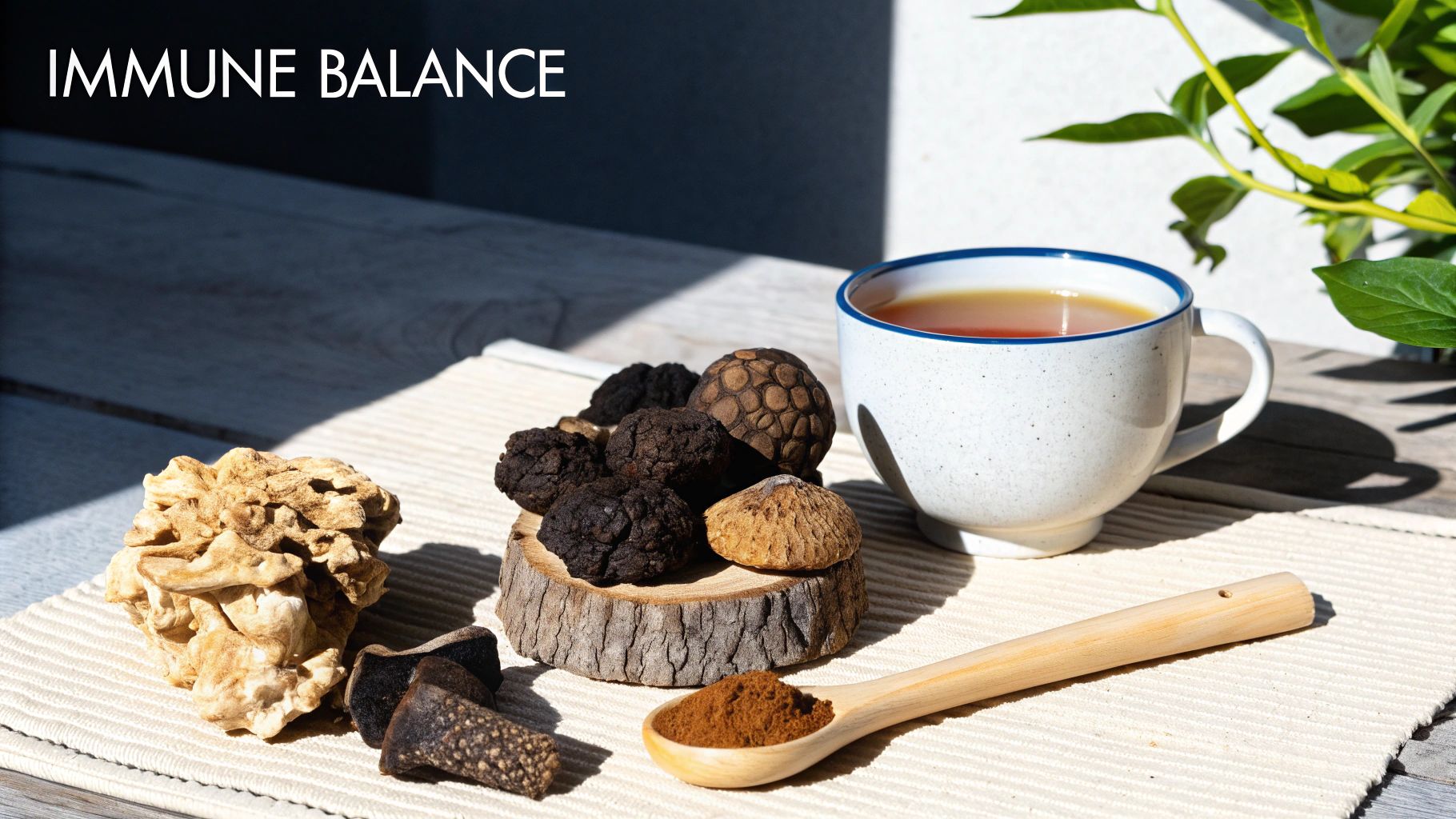
Choosing a complex with these specific mushrooms provides synergistic benefits. Reishi is known for its calming properties that promote better sleep and reduce immune overactivation, while Chaga delivers potent antioxidants to combat cellular stress. Lion's Mane supports cognitive function and nerve health, contributing to a robust gut-brain connection essential for proper immune signaling.
How to Use a Mushroom Complex for Immune Health
- For Athletes: Competitors often use a mushroom complex during intense training blocks to help prevent upper respiratory infections and manage physical stress.
- For Immune Balance: Individuals with autoimmune conditions like Hashimoto's or rheumatoid arthritis may use Reishi to help moderate an overactive immune response.
- For Aging Adults: Aging populations can benefit from Chaga-containing blends to maintain high antioxidant protection and support immune vigor over time.
Pro Tip: Look for dual-extracted powders. This method uses both hot water and alcohol to extract the full spectrum of beneficial compounds, ensuring you get both water-soluble polysaccharides and alcohol-soluble triterpenes.
Practical Tips for Incorporation
To integrate a mushroom complex, brew 1-2 grams of powder in 8-12 ounces of hot (not boiling) water for 10-15 minutes, then strain and drink it as a tea. For targeted adaptogenic goals, consider taking Chaga blends in the morning for its energizing properties and Reishi in the evening to promote calm and restful sleep. To maximize benefits, store powders in a cool, dry location away from direct sunlight.
5. Raw Almonds & Seeds (Hemp, Pumpkin, Sunflower) – Zinc & Immune Cell Proliferation
Raw almonds and a variety of seeds like hemp, pumpkin, and sunflower are cornerstone foods for immune support due to their high concentration of bioavailable zinc. This essential mineral is a critical component for the development and function of immune cells, particularly T-cells and B-cells, which are responsible for fighting off pathogens. These nutrient-dense foods also supply key cofactors like selenium and copper, which are vital for antioxidant enzyme systems that protect immune cells from oxidative stress.
The arginine content in almonds and seeds further supports immune signaling and helps maintain a healthy inflammatory response. For a robust defense system, a steady intake of these micronutrients is necessary, and plant-based sources offer a clean, effective way to meet these needs. Incorporating them into your daily diet is a simple yet powerful strategy to ensure your immune cells are primed and ready for action.
How to Use Almonds & Seeds for Immune Health
- For Plant-Based Diets: Vegans and vegetarians can rely on a quarter-cup of sprouted pumpkin seeds daily as a reliable zinc source to replace animal-based options.
- For Athletes: Endurance athletes can blend hemp seed protein into post-workout smoothies to leverage its amino acid profile for muscle repair and immune system recovery.
- For Specific Conditions: Individuals with cold sores (HSV-1) may strategically use seeds to benefit from a high arginine-to-lysine ratio, which can influence viral replication.
Pro Tip: Soak almonds and seeds for at least 8 hours before consumption. This process reduces phytic acid, an antinutrient that binds to minerals, and can increase zinc bioavailability by up to 50%.
Practical Tips for Incorporation
To maximize nutrient absorption, sprout your seeds for 2-3 days after soaking, which further reduces phytates. If you prefer a toasted flavor, roast them lightly at a low temperature (around 150°F) to activate their natural oils without damaging sensitive nutrients. To enhance zinc absorption by up to 40%, combine your nuts and seeds with vitamin C-rich foods like citrus or berries. To keep your immune-boosting foods fresh and potent, explore more about the role of a nutrient-dense diet and how to boost your immune system with high-fiber vegetables.
6. Ginger Root Powder – Natural Anti-inflammatory & Immune Circulation Support
Ginger root is a revered spice celebrated for its potent medicinal properties, securing its spot as one of the best foods for immune support. Its primary bioactive compounds, gingerols and shogaols, are powerful anti-inflammatory and antioxidant agents. These compounds help modulate inflammatory pathways that are critical to immune response, while also enhancing the circulation and trafficking of immune cells throughout the body. This dual-action support makes ginger excellent for both proactive immune maintenance and acute response.
Using ginger root powder provides a concentrated, convenient source of these beneficial compounds. Its antimicrobial properties can help combat pathogens, and it also offers significant digestive support, which is foundational to a healthy immune system. By promoting gut health and reducing systemic inflammation, ginger creates an environment where immune cells can function optimally.
How to Use Ginger for Immune Health
- For Seasonal Support: Individuals with seasonal respiratory challenges often drink ginger tea daily during vulnerable months to help keep airways clear and immune defenses strong.
- For Athletes: Athletes can incorporate ginger post-workout to help reduce exercise-induced inflammation, supporting a balanced immune response without blunting crucial signaling for muscle repair.
- For Synergistic Protocols: Holistic practitioners frequently add ginger to immune protocols to enhance the absorption and efficacy of other compounds, such as curcumin from turmeric.
Pro Tip: Combine ginger with a pinch of black pepper. The piperine in black pepper can significantly enhance the bioavailability of ginger's powerful polyphenols.
Practical Tips for Incorporation
To integrate ginger root powder, start by mixing 1/2 teaspoon with hot water, a squeeze of lemon, and raw honey for a soothing immune tea, consumed 3-5 times weekly. For a comprehensive antioxidant boost, add it to smoothies with spirulina, berries, and plant milk. For acute challenges, consider increasing the dose to 1-2 teaspoons daily, then reducing to 2-3 times per week for maintenance.
7. Turmeric (Curcumin) – Immune Regulation & Inflammatory Precision
Turmeric, the golden spice renowned in Ayurvedic medicine, is one of the best foods for immune support due to its active compound, curcumin. Curcumin acts as a potent immunomodulator, helping to regulate the body's inflammatory response with remarkable precision. It influences key pathways like NF-κB and supports regulatory T cells, which allows the immune system to control inflammation without compromising its ability to defend against pathogens. This targeted action makes it invaluable for maintaining immune balance.
The power of curcumin lies in its ability to fine-tune immune activity rather than simply boosting or suppressing it. This ensures a measured, effective response to threats while protecting tissues from the collateral damage of excessive inflammation. Its role in supporting detoxification pathways further enhances its status as a cornerstone of immune health.
How to Use Turmeric for Immune Health
- For Joint Health: Individuals with inflammatory conditions like rheumatoid arthritis can use curcumin to help manage joint inflammation while preserving a strong defense against infections.
- For Athletes: Athletes often incorporate turmeric into post-workout routines to manage exercise-induced inflammation, supporting recovery without blunting the immune adaptations necessary for training gains.
- For Healthy Aging: Aging populations can benefit from daily turmeric use to help maintain immune balance and counteract the low-grade, chronic inflammation associated with aging.
Pro Tip: For optimal bioavailability, always pair turmeric with a pinch of black pepper. The piperine in pepper is known to increase curcumin absorption by up to 2,000%.
Practical Tips for Incorporation
To effectively use turmeric, combine it with a source of healthy fat (like coconut oil) and black pepper. A classic "golden milk" latte is a perfect therapeutic preparation. Aim for 1-2 grams of turmeric powder daily for at least 4-6 weeks to assess its benefits. For a synergistic effect, combine it with ginger, as they target complementary anti-inflammatory pathways. To preserve its potency, store turmeric powder in a cool, dark place away from direct light and heat.
8. Garlic (Aged Extract or Powder) – Allicin-Based Antimicrobial & Immune Priming
Garlic is a cornerstone among the best foods for immune support, celebrated for its potent sulfur-containing compounds. Its main active ingredient, allicin, along with others like ajoene and S-allyl cysteine, provides powerful antimicrobial effects that help prime the body's innate immune responses. These compounds have been shown to enhance the function of immune cells like macrophages and lymphocytes, making garlic a formidable ally against common pathogens.
The key to unlocking garlic’s power lies in its preparation. Crushing or chopping fresh garlic triggers an enzymatic reaction that produces allicin. For those seeking consistent, potent antioxidant support without the pungency, aged garlic extract offers a stable and standardized alternative. This makes garlic a versatile tool for both acute immune defense and long-term cellular protection.
How to Use Garlic for Immune Health
- For Acute Support: Many individuals begin a garlic protocol at the first sign of seasonal cold exposure, consuming 1-2 cloves of fresh, raw garlic daily.
- For Sustained Coverage: Holistic practitioners often recommend aged garlic extract (around 1500mg daily) during winter months for consistent antimicrobial and immune-modulating effects.
- For Athletes: Some athletes incorporate garlic into pre-competition meals to enhance immune surveillance during periods of intense, stress-exposed training.
Pro Tip: For maximum antimicrobial potency, crush fresh garlic and let it sit for 10-15 minutes before cooking or consuming. This critical waiting period allows for the complete formation of allicin.
Practical Tips for Incorporation
To integrate garlic effectively, aim for 1-2 cloves of raw, minced garlic in salad dressings, spreads, or smoothies. If raw garlic is too intense, an aged garlic extract supplement provides a reliable dose. For a synergistic effect, pair garlic with ginger and turmeric in immune-supportive broths and soups. Always store fresh garlic in a cool, dark place and keep supplements in dark bottles away from heat and light to preserve their potency.
9. Fermented Foods (Miso, Tempeh, Sauerkraut, Kimchi) – Probiotic Gut-Immune Axis Support
Fermented foods like miso, tempeh, and sauerkraut are powerful additions to any diet focused on immune resilience. The fermentation process cultivates beneficial live bacteria, or probiotics, that directly support the gut-immune axis. Since 70-80% of your immune tissue resides in the gut, fostering a healthy microbiome with these foods is one of the most effective strategies for strengthening your body’s defenses and is why they are among the best foods for immune support.
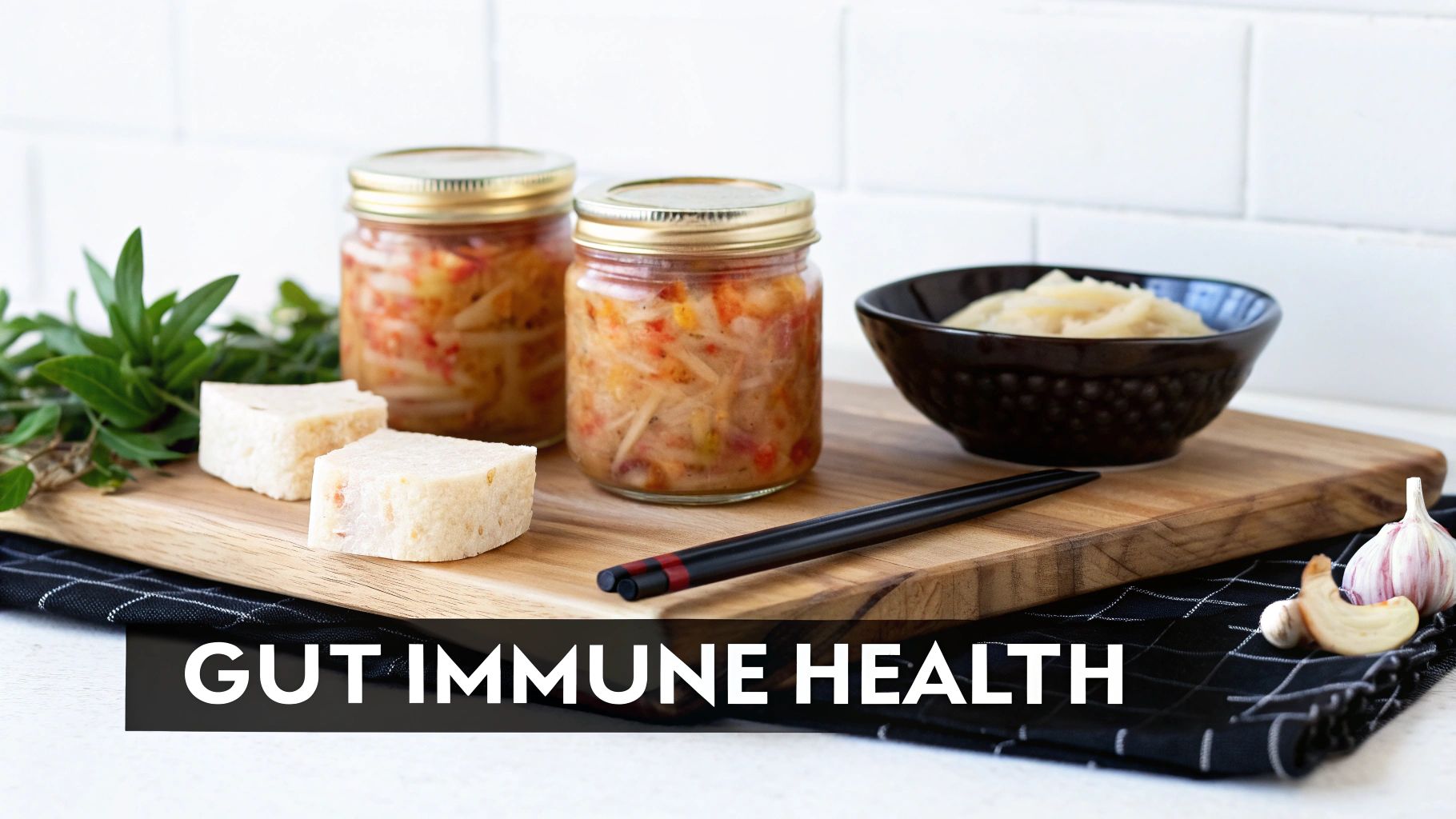
These probiotics help strengthen the intestinal barrier, produce immune-modulating short-chain fatty acids, and regulate mucosal immunity. To ensure you receive these benefits, it is crucial to choose unpasteurized products labeled as "raw" or "live cultures," as heat treatment destroys the fragile beneficial bacteria.
How to Use Fermented Foods for Immune Health
- For Gut Restoration: Individuals with dysbiosis from antibiotic use or a poor diet can incorporate fermented foods daily over 8-12 weeks to help restore healthy gut-immune function.
- For Plant-Based Diets: Vegans and vegetarians can use tempeh, a fermented soybean cake, as both a complete protein and a potent probiotic source in their meals.
- For Foundational Wellness: Holistic practitioners often recommend fermented foods as a primary step in immune-restoration protocols, sometimes before or alongside a chlorella detox.
Practical Tips for Incorporation
Start with 1-2 tablespoons of fermented vegetables like kimchi or sauerkraut daily, adding them to meals after cooking to preserve the live cultures. To further enhance their effect, combine these foods with prebiotic fibers found in garlic, onions, and leafy greens, which act as fuel for the beneficial bacteria. For an in-depth guide on selecting the right strains, you can find more information on the best probiotics for immune support.
10. Medicinal Herbs (Echinacea, Astragalus, Elderberry, Andrographis) – Targeted Immune Activation & Pathogenic Defense
Medicinal herbs offer a sophisticated approach to immune health, providing unique phytocompounds that activate specific defense pathways. Unlike general nutritional support, herbs like echinacea, astragalus, elderberry, and andrographis deliver targeted actions. Echinacea stimulates innate immunity, astragalus enhances interferon production, elderberry can help block viral entry into cells, and andrographis works to balance inflammatory mediators, making them some of the best foods for immune support when used strategically.
These botanicals are not interchangeable; their power lies in their specific applications. Choosing the right herb for a particular immune challenge allows for a more precise and effective response, helping to either fortify defenses during periods of high stress or actively combat pathogenic threats.
How to Use Medicinal Herbs for Immune Health
- For Acute Challenges: Athletes often use an echinacea and elderberry blend for two weeks during high-stress training blocks to help prevent upper respiratory infections.
- For Chronic Support: Practitioners may recommend daily astragalus (3-6 grams) for individuals recovering from chronic viral issues to help rebuild deep immune resilience.
- For Seasonal Balance: Those with seasonal allergies or inflammatory conditions can use andrographis during vulnerable periods to help modulate the immune response and reduce excessive inflammation.
Pro Tip: Cycle your use of certain herbs like echinacea. Using it for 2-3 weeks at the first sign of an immune challenge, followed by a 2-week break, can prevent your body from adapting and maintain the herb's effectiveness.
Practical Tips for Incorporation
To effectively integrate these herbs, proper dosing and timing are critical. For echinacea, aim for 300mg of a root extract 2-3 times daily when you feel your immune system is challenged. For long-term foundational support, prepare astragalus as a decoction by simmering 3-6 grams for 15-30 minutes. A daily teaspoon of sugar-free elderberry syrup can be a preventative measure during cold and flu season, while 400-600mg of andrographis daily can be used during inflammatory flare-ups.
Top 10 Immune-Support Foods Comparison
| Item | 🔄 Implementation Complexity | ⚡ Resource Requirements | ⭐ Key Advantages (Effectiveness/Quality) | 📊 Expected Outcomes (Timeline/Impact) | 💡 Ideal Use Cases & Tips |
|---|---|---|---|---|---|
| Chlorella (Organic, Micronized) – Complete Immune Protein & Detox Support | Low–Moderate: daily dosing, consistent use; monitor thyroid in sensitive people | Moderate: micronized form and reputable sourcing (Taiwan) improve bioavailability | Complete plant protein + detoxifying beta-glucans; strong NK cell activation | Increases NK activity ~30–40% with consistent use; detox/heavy metal binding over 2–4 weeks | Athletes & detox protocols; start 1–2g → 3–5g, take with meals, monitor iodine |
| Spirulina (50/50 Chlorella-Spirulina Blend) – Antioxidant & Immune Activation | Low: simple daily powder use; timing (morning) recommended | Moderate: source-testing for microcystins critical; sustainable cultivation | Rapid antioxidant (phycocyanin) + immune polysaccharides; energy support | Noticeable antioxidant/protection in 1–2 weeks; complementary detox + immune potentiation | Endurance athletes, recovery phases; 1–2g daily, take with vitamin C, choose tested batches |
| Papaya Seed Powder – Natural Antiparasitic & Immune Barrier Support | Moderate: taste integration and longer courses (6–8+ weeks) | Low: inexpensive; quality varies; limited large human trials | Targets parasites (isothiocyanates) and supports digestion/arginine-mediated immunity | High antiparasitic efficacy in studies (>70% in models); barrier improvement over 6–8 weeks | Travelers & parasite-focused protocols; 1 tsp daily in smoothies or food, combine with chlorella |
| Mushroom Complex (Reishi, Chaga, Lion's Mane) – Immune Regulation & Stress Resilience | Moderate–High: dual-extraction often recommended; brewing for best results | Higher cost for dual-extract products; reputable sourcing advised | Immune regulation (beta-glucans), stress/sleep support, gut-brain benefits | Immune modulation and stress resilience in 3–4 weeks; antioxidant protection ongoing | High-stress training, autoimmune support; brew 1–2g or choose dual-extract, take evening for Reishi |
| Raw Almonds & Seeds (Hemp, Pumpkin, Sunflower) – Zinc & Immune Cell Proliferation | Low: simple dietary inclusion; optional soaking/sprouting step | Low–Moderate: affordable staples but quality/storage (aflatoxin) matters | Bioavailable zinc, arginine, cofactors for T/B-cell development and antioxidant enzymes | Gradual improvement in micronutrient status and immune cell function with regular intake | Vegans/athletes: soak/sprout to reduce phytates, combine with vitamin C, ¼ cup pumpkin seeds daily |
| Ginger Root Powder – Natural Anti-inflammatory & Immune Circulation Support | Low: easy to add to foods/teas; fresh preferred for potency | Low: powder convenient; fresh more potent but perishable | Anti-inflammatory (gingerols), antimicrobial, improves circulation and digestion | Fast symptomatic effects (20–30 min for warming/circulation); anti-inflammatory benefits with repeated use | Seasonal respiratory support; ½ tsp in hot water, 1–2 tsp for acute use, pair with turmeric & black pepper |
| Turmeric (Curcumin) – Immune Regulation & Inflammatory Precision | Low–Moderate: requires bioavailability strategy (piperine/fat) | Low: inexpensive raw spice; needs black pepper/fat or specialized formulation | Precise NF-κB modulation and regulatory T‑cell support; strong evidence base | Reduces inflammatory markers (TNF-α, IL-6, CRP) by ~30–50% over 4–6 weeks | Inflammatory conditions & recovery; 1–2g daily with black pepper and fat (golden milk), store away from heat |
| Garlic (Aged Extract or Powder) – Allicin-Based Antimicrobial & Immune Priming | Low: culinary or supplement forms; timing matters for allicin formation | Low: fresh bulbs cheap; aged extract costs more but offers consistent dosing | Broad-spectrum antimicrobial (allicin) and innate immune priming; cardiovascular co-benefit | Rapid antimicrobial effects (hours); prophylactic cold/flu reduction 60–70% and shorter duration | Seasonal prophylaxis; crush garlic and wait 10–15 min before cooking, or use aged extract 500–1500mg/day |
| Fermented Foods (Miso, Tempeh, Sauerkraut, Kimchi) – Probiotic Gut-Immune Axis Support | Low–Moderate: learning curve for home fermentation; add raw to foods to preserve cultures | Low: cost-effective; choose unpasteurized products for live cultures; watch sodium | Live probiotics and metabolites (butyrate) that strengthen gut barrier and Treg development | Improved gut barrier and immune regulation over 8–12 weeks with daily use | Dysbiosis recovery & foundational protocols; 1–3 tbsp raw/day, combine with prebiotic fibers |
| Medicinal Herbs (Echinacea, Astragalus, Elderberry, Andrographis) – Targeted Immune Activation & Pathogenic Defense | Moderate–High: dosing, duration, and preparation vary by herb; rotation may be needed | Moderate: standardized extracts and third‑party testing improve reliability | Targeted pathway activation (interferons, innate PRRs, viral entry blockade) when quality-assured | Acute benefits (echinacea/elderberry) in days–weeks; chronic support (astragalus) with continuous use | Customize by challenge: echinacea/elderberry for acute viral exposure, astragalus/mushrooms for chronic support; source standardized extracts and follow dosing guidance |
Putting It All Together: Your Immune-Supportive Plate
Navigating the landscape of immune health can feel complex, but as we've explored, building a resilient defense system is rooted in a simple, powerful principle: consistent, diverse, and targeted nourishment. This is not about a single magic pill or a temporary fix. Instead, true immune strength comes from weaving a rich tapestry of nutrient-dense, plant-based foods into your daily routine.
The journey to enhanced immunity is a proactive one. It involves more than just reacting to the first sign of a sniffle; it’s about creating an internal environment where your immune cells are well-equipped, your inflammatory responses are balanced, and your gut microbiome is thriving. From the foundational cellular support of micronized chlorella and spirulina to the targeted antimicrobial power of garlic and the adaptogenic resilience offered by medicinal mushrooms, each food on this list plays a unique and synergistic role.
Your Action Plan for Immune Resilience
Mastering this approach means moving from theory to practice. The real value is realized when these incredible foods for immune support become a regular feature on your plate. By making small, sustainable changes, you build momentum toward profound, long-term health benefits.
Here are some practical next steps to begin your journey:
- Start Small, Build Consistency: Don't feel pressured to add everything at once. Choose two or three items from the list that resonate with you. Perhaps it's adding a scoop of chlorella-spirulina blend to your morning smoothie or incorporating a side of sauerkraut with your evening meal.
- Create Synergistic Stacks: As you become more comfortable, think about how these foods can work together. Brew a warming tea with ginger and turmeric, create a salad dressing with garlic and papaya seed powder, or top your oatmeal with a mix of pumpkin seeds, hemp hearts, and a dash of medicinal herb tincture.
- Listen to Your Body: Pay attention to how you feel. A well-nourished immune system translates into more energy, faster recovery, and a greater sense of overall vitality. This positive feedback will inspire you to continue making supportive choices.
Key Takeaway: Immune health is not a passive state; it is an active process of cultivation. By consistently incorporating these evidence-backed foods, you are not just warding off illness. You are investing in your cellular vitality, fortifying your body's natural defenses, and building a foundation for lasting well-being. Your plate is one of the most powerful tools you have to create a truly resilient you.
Ready to simplify your immune support strategy with the purest, most potent superfoods? The MySuperFoodRx 50/50 Chlorella-Spirulina Blend combines two of the most powerful immune-supportive foods into one convenient, high-impact powder. Visit MySuperFoodRx to discover how our commitment to quality can help you build a stronger foundation for health, one scoop at a time.


