


If you're tired of dealing with the daily grind of bloating, gas, or just feeling off, you're in the right place. So many of us are searching for real answers to digestive problems, and there's a good reason for it: we're realizing just how critical gut health is to our overall sense of well-being. This guide is all about moving past the quick fixes and building a sustainable plan that actually works.
The first thing to understand is that your digestive system isn't just a simple plumbing system. It's a rich, complex ecosystem that's deeply connected to everything else in your body, especially your brain. This connection is called the gut-brain axis, and it's a two-way communication street. When you're stressed, your gut knows it—and often reacts. This is exactly why just changing your diet sometimes isn't enough to solve the problem.
Your Foundation for Lasting Digestive Wellness
To truly get your digestion on track, we need to look at the whole picture. Lasting relief comes from making thoughtful changes across a few key areas of your life, not just hyper-focusing on one.
Embracing a Complete Approach
Here's what a complete approach looks like:
- What You Eat: Shifting toward nutrient-dense, whole foods that feed and nourish your good gut bacteria.
- How You Live: Building habits like mindful eating, consistent movement, and prioritizing quality sleep.
- How You Cope: Actively finding ways to manage stress so it doesn't wreak havoc on your gut.
- When You Need a Boost: Using high-quality, targeted supplements to fill any gaps and give your system extra support.
This is how you get real, lasting results—by acknowledging that your body is one big interconnected system. It's no surprise that the global market for digestive health products, valued at USD 65.22 billion in 2025, is projected to hit USD 116.2 billion by 2032. People everywhere are looking for ways to feel better in the face of modern diets and stressful lives. You can read more about these digestive health market trends for a deeper look.
Your gut microbiome is a delicate ecosystem of trillions of bacteria that are absolutely essential for good digestion and overall health. Nurturing it isn't optional—it's the key to feeling your best.
This guide will give you a practical blueprint for creating that healthy environment. To get you started right away, here’s a quick-reference table with some simple, high-impact strategies you can start implementing today.
Quick Guide to Natural Digestive Support
This table breaks down some of the most effective strategies into simple, actionable first steps. Don't try to do everything at once; just pick one or two that feel manageable and build from there.
| Strategy | Why It Works | Simple First Step |
|---|---|---|
| Increase Fiber Intake | Feeds your beneficial gut bacteria and keeps things moving regularly. | Add one tablespoon of chia seeds or ground flaxseeds to your morning smoothie or oatmeal. |
| Stay Hydrated | Helps soften stool and is one of the easiest ways to prevent constipation. | Drink a full glass of water right after you wake up, before coffee or anything else. |
| Eat Mindfully | Primes your body for digestion and helps reduce bloating and gas. | During your next meal, consciously put your fork down between each bite. |
| Manage Stress | Calms the gut-brain axis, preventing stress from triggering digestive upset. | Before you eat, take five slow, deep belly breaths to relax your nervous system. |
| Move Your Body | Stimulates the natural contractions of your intestines to aid digestion. | Go for a brisk 10-minute walk after your biggest meal of the day. |
Think of these as the foundational building blocks. By consistently incorporating these small habits, you're setting the stage for significant improvements in how you feel day-to-day.
Fueling Your Gut with a Pro-Digestion Diet
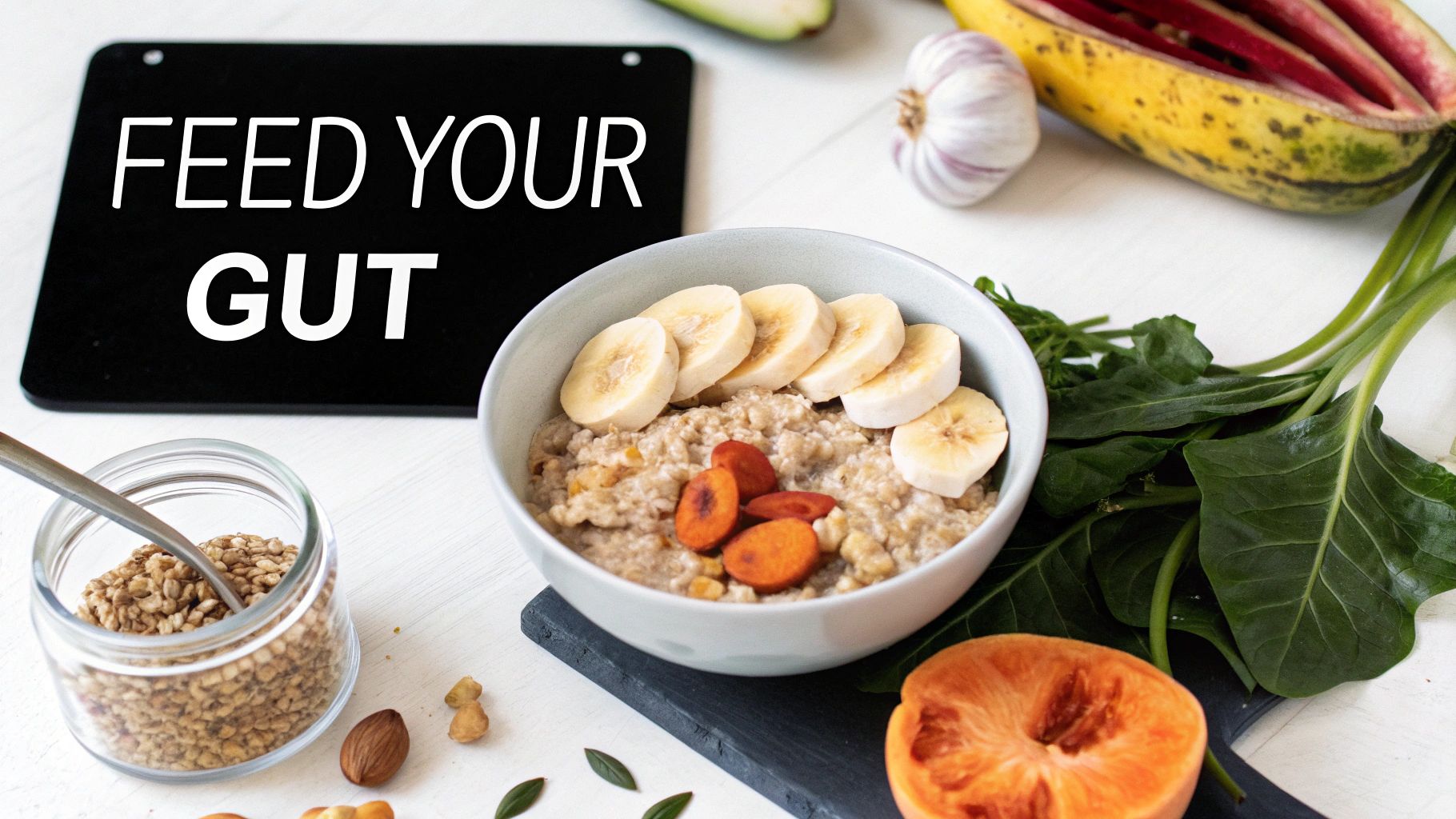
When it comes to transforming your digestive well-being, the food you eat is hands-down the most powerful tool you have. What lands on your plate directly feeds the trillions of microorganisms living in your gut, and that in turn influences everything from bloating and regularity to your mood and energy levels.
Let's move beyond generic advice and get specific about building a diet that actively works for your digestion.
The best place to start is simply by embracing more whole, unprocessed foods. This just means eating things that are as close to their natural state as possible—fresh vegetables, fruits, whole grains, nuts, and seeds. These foods are packed with the essential nutrients and fiber your gut absolutely needs to function at its best.
The Two Faces of Fiber
When we talk about fiber, it's not a one-size-fits-all situation. There are two main types, and knowing the difference is key to improving your digestion because they each play a unique, complementary role.
-
Soluble Fiber: This type dissolves in water and creates a gel-like substance in your gut. Think of it like a sponge that slows digestion down, which helps you absorb more nutrients and keeps blood sugar stable. You'll find it in oats, apples, citrus fruits, carrots, and psyllium husk.
-
Insoluble Fiber: This fiber doesn't dissolve. Instead, it adds bulk to your stool and helps food pass more quickly through your system. It’s like a gentle "scrubbing brush" for your digestive tract. It's abundant in nuts, beans, whole-wheat flour, and veggies like cauliflower and leafy greens.
Getting a balance of both is what you're aiming for. A simple example is starting your day with oatmeal (soluble fiber) and topping it with a handful of walnuts and berries (insoluble fiber). You've just given your gut the best of both worlds. For a deeper dive, check out our guide on how high fiber vegetables support digestive health.
Feeding Your Inner Garden with Prebiotics
Beyond general fiber, your gut microbiome really lights up for specific compounds called prebiotics. These are specialized plant fibers that act as a dedicated food source for your beneficial gut bacteria, helping them multiply and thrive. When your good bacteria are well-fed, they produce valuable compounds that strengthen your gut lining and support your overall health.
Getting more prebiotic-rich foods into your diet is simpler than you might think.
Excellent Prebiotic Food Sources:
- Garlic
- Onions
- Leeks
- Asparagus
- Bananas (especially when they're still a bit green)
- Chicory root
- Jerusalem artichokes
You don't need to eat huge amounts to see a benefit. Just adding a clove of garlic to your dinner or slicing a banana into your morning yogurt provides a meaningful prebiotic boost that contributes to a more resilient gut ecosystem.
Prebiotics are the fertilizer for your internal garden. By consistently providing this fuel, you empower your beneficial gut bacteria to crowd out less desirable microbes and maintain a healthy balance.
Introducing Beneficial Bacteria with Probiotics
While prebiotics feed the good bacteria you already have, probiotics introduce new, living beneficial bacteria directly into your system. These are the live microorganisms found in fermented foods, and they can help reinforce your gut's microbial population—especially after it's been disrupted by things like stress or a round of antibiotics.
Think of it this way: if your gut is a garden, probiotics are like planting new seeds. Regularly eating fermented foods is a fantastic, natural way to add diversity and strength to your microbiome.
Some of the most potent and accessible probiotic sources include:
- Kimchi: A spicy Korean fermented cabbage dish.
- Sauerkraut: Fermented cabbage—look for unpasteurized versions in the refrigerated section of your grocery store.
- Kombucha: A fermented tea beverage. Just be mindful of the sugar content.
- Yogurt and Kefir: Fermented dairy products with live and active cultures.
My advice? Start small. A spoonful of sauerkraut with a meal is a great way to begin. Introducing a large number of new bacteria all at once can sometimes cause temporary gas or bloating, so it's best to let your system adjust gradually.
Digestive Superfoods to Elevate Your Diet
Certain foods offer unique, concentrated benefits that go beyond basic nutrition, acting as powerful catalysts for better digestion. Two that really stand out are papaya seed powder and chlorella. Papaya seeds contain a powerful natural enzyme called papain, which is brilliant at breaking down tough protein fibers. This can be a game-changer if you often feel heavy or bloated after a high-protein meal.
Similarly, chlorella, a single-celled green algae, is loaded with chlorophyll, which acts as a prebiotic to nourish good gut bacteria. Its unique properties also support the body's natural detoxification processes, helping create a cleaner internal environment where your gut can thrive. The gut health market is projected to hit USD 270.32 billion by 2034, and natural ingredients are a huge part of that growth. Research shows enzymes like papain can reduce fermentation by 25%, easing gas, while chlorella may improve bowel regularity by up to 40% by supporting a healthy microbiota.
For those of us with busy lifestyles, consistently getting these superfoods into our diet can be tough. That’s where a high-quality supplement can bridge the gap. Products like our MySuperFoodRx Papaya Seed Powder or Organic Chlorella Tablets offer a convenient, potent way to get these benefits, ensuring your diet is always working in favor of your digestive health.
Mastering Lifestyle Habits for Effortless Digestion
While what you eat is foundational, how you live is what truly cements great digestive health. You can eat all the right foods, but if your lifestyle is working against you, it’s like trying to build a house on a shaky foundation. You just won't get the lasting results you're after.
The real power comes from fine-tuning the small, consistent habits that make up your day. Things like how you eat, move, sleep, and handle stress send powerful signals to your gut, telling it to relax, function optimally, and thrive.
Adopt Mindful Eating Practices
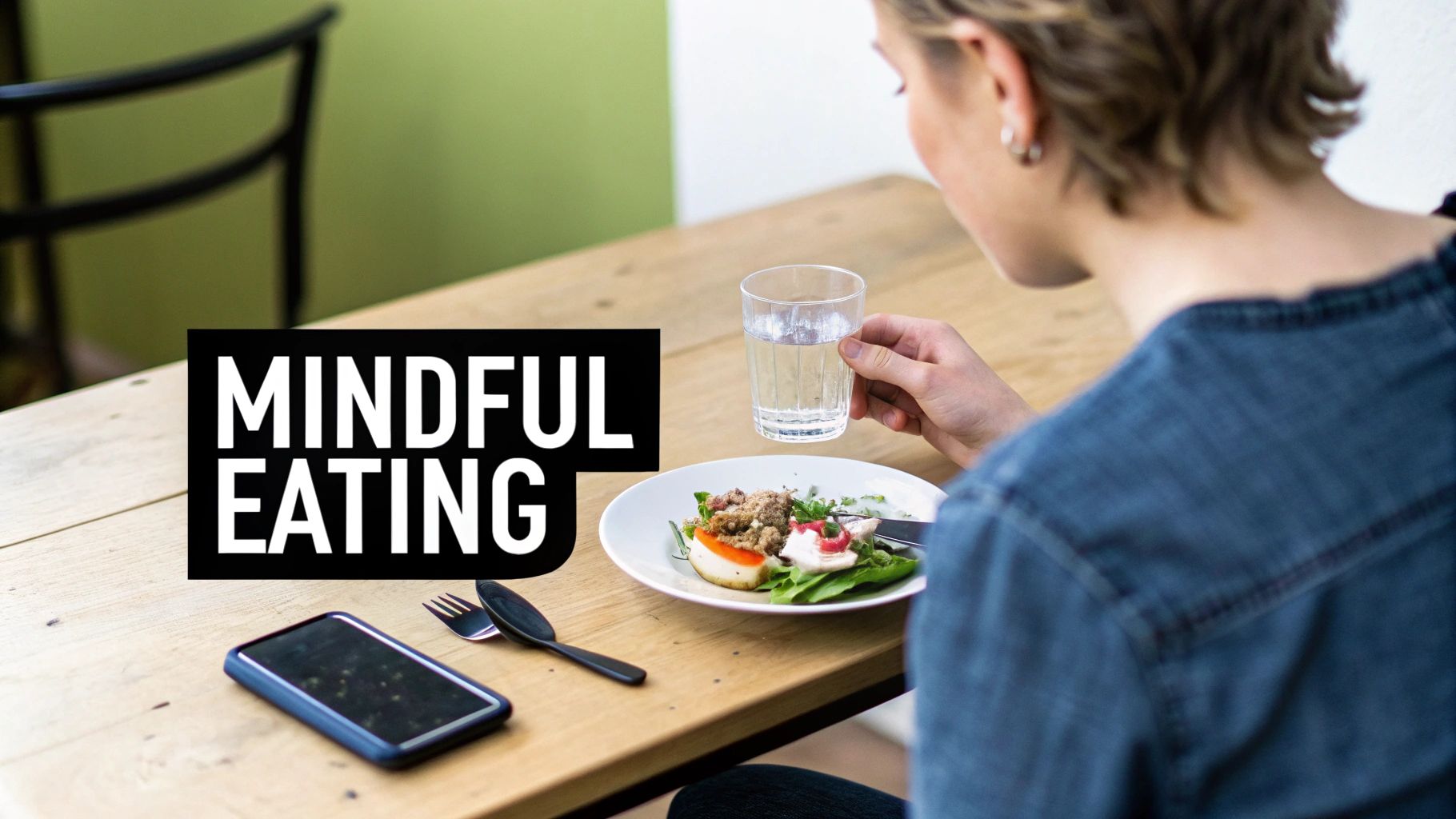
Have you ever finished a meal while scrolling on your phone, only to realize you barely tasted it? We've all been there. This kind of distracted eating is a major saboteur of good digestion. The antidote is surprisingly simple: mindful eating.
It’s just the practice of being fully present with your food. When you slow down, your brain actually gets the message that food is on the way, which kicks off the release of necessary digestive enzymes and stomach acid. You're essentially priming your gut for the work ahead.
Here’s how to start:
- Chew Your Food: This sounds obvious, but it’s a game-changer. Aim for 20-30 chews per bite to mechanically break down food, taking a huge load off your stomach.
- Put Your Fork Down: Between bites, just set your utensils down. This one simple act forces you to slow down and breathe.
- Ditch Distractions: Turn off the TV, put your phone away, and focus on the colors, textures, and flavors on your plate.
This isn’t about adding rigid rules to your life. It's about giving your body the attention it needs to do its job well.
Tame Stress to Calm Your Gut
The connection between your brain and your gut—known as the gut-brain axis—is a powerful two-way street. When you're stressed, your brain sends distress signals straight to your gut, which can slow everything down, ramp up inflammation, and cause cramping and bloating.
Managing stress isn't just for your mental health; it's a core strategy for digestive wellness. Chronic stress floods your system with cortisol, which can do real damage over time.
Think of your digestive system as having two modes: "rest-and-digest" or "fight-or-flight." When you're stressed, you're stuck in fight-or-flight, and digestion takes a backseat. Calming your mind directly calms your gut.
You don't need an hour of meditation to make a difference. Try a five-minute deep breathing exercise before meals, or just take a short walk outside to clear your head. These small acts can flip the switch back to "rest-and-digest."
Prioritize Hydration and Movement
Water and movement are two of the most effective, yet criminally overlooked, tools for digestive regularity.
Proper hydration is non-negotiable for keeping things moving smoothly. Water helps dissolve soluble fiber and softens stool, making it one of the easiest ways to prevent constipation. Aim to sip water throughout the day—don't wait until you're thirsty. Keeping a water bottle on your desk is a great visual reminder.
Gentle physical activity is the perfect partner to hydration. Exercise stimulates peristalsis, the natural wave-like muscle contractions that move food through your intestines. No need for intense workouts.
Actionable Movement Tips:
- Take a Post-Meal Walk: A brisk 10-15 minute walk after your biggest meal can work wonders for digestion.
- Try Gentle Stretching: Simple yoga poses that involve twisting can help stimulate your digestive organs.
- Focus on Consistency: A daily 20-minute walk is far more beneficial for your gut than one grueling workout a week.
Make Sleep a Non-Negotiable
Sleep is when your body does its most critical repair work, and your gut is a top priority. While you rest, your body gets busy repairing and regenerating the gut lining, a crucial barrier that keeps undigested food and toxins from entering your bloodstream.
Poor sleep disrupts this vital process and can throw your entire gut microbiome out of whack. Research shows that the protein cycles of our gut bacteria are closely linked to our own circadian rhythms. When sleep suffers, so does your gut.
Aim for 7-9 hours of quality sleep a night. To make it happen, create a relaxing bedtime routine, ditch the screens for at least an hour before bed, and make sure your bedroom is dark, quiet, and cool. For anyone serious about improving their digestion, sleep has to be a non-negotiable.
Choosing Supplements to Support and Restore Your Gut
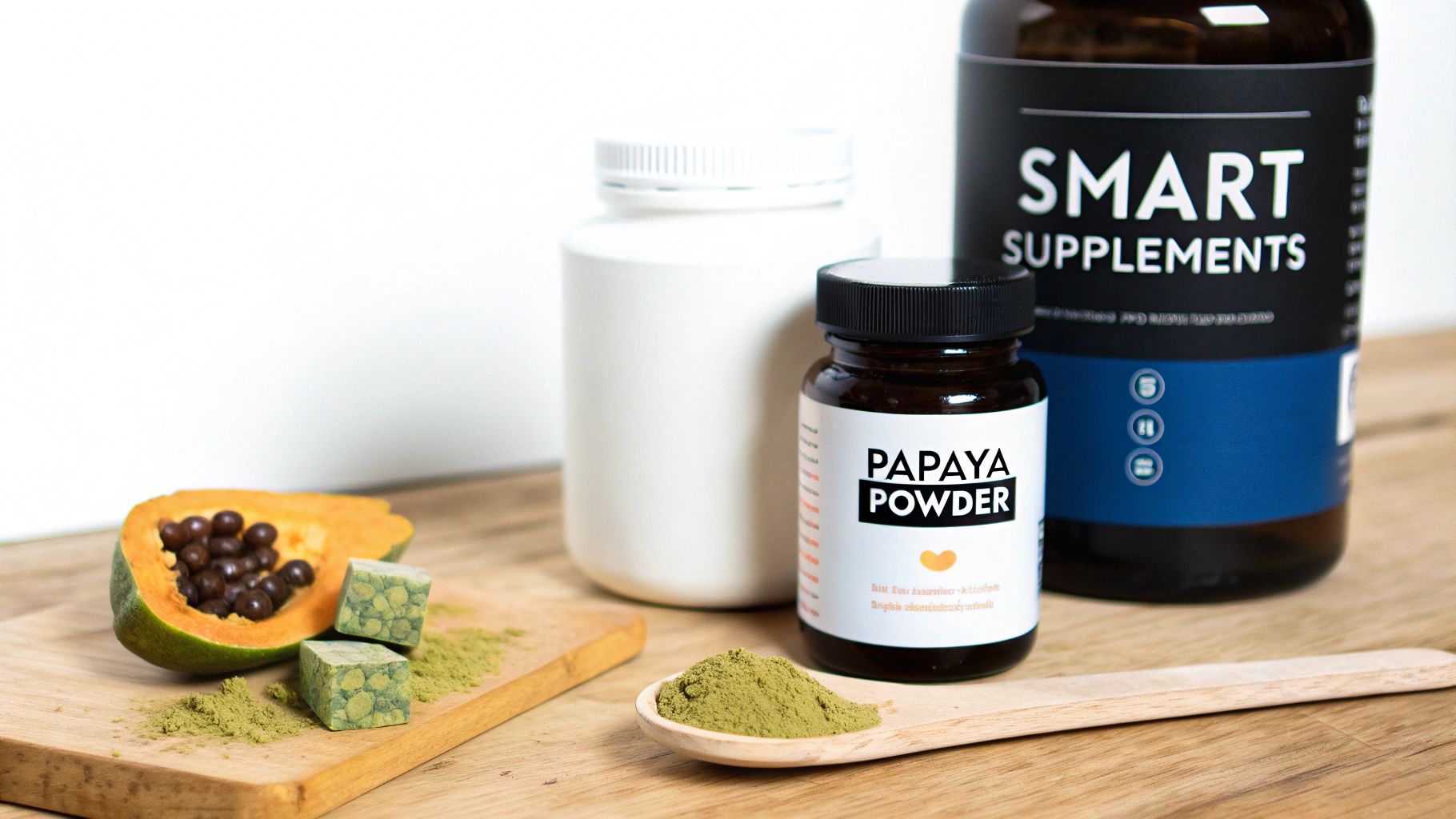
While a whole-foods diet and healthy lifestyle are the undisputed cornerstones of gut wellness, targeted supplements can be incredibly powerful allies. Think of them not as a replacement for good habits, but as strategic support to enhance your results and help restore balance more efficiently.
Navigating the world of supplements can feel overwhelming, but understanding the key players makes it much easier. The goal is to pick supplements that address your specific needs—whether that's boosting good bacteria, improving how you break down food, or filling in nutritional gaps.
Probiotics: The Gut Repopulators
Probiotics are probably the most well-known gut supplement out there. They are live, beneficial bacteria that help reinforce and diversify the population of microbes in your gut. They’re especially useful if your microbiome has taken a hit from stress, a poor diet, or a recent course of antibiotics.
When choosing a probiotic, don't just look at the CFU count (colony-forming units). You want a supplement with multiple, well-researched strains like Lactobacillus and Bifidobacterium. Different strains offer different benefits, so a multi-strain formula provides more comprehensive support. If you want a deeper dive, our guide on the best probiotics for gut health offers a detailed breakdown.
Digestive Enzymes: The Breakdown Crew
If you often feel bloated, heavy, or gassy right after eating, you might benefit from digestive enzymes. These are proteins your body naturally produces to break down fats, proteins, and carbohydrates into smaller, absorbable nutrients. Sometimes, things like age or stress can dial back your natural enzyme production.
Taking digestive enzymes just before or with a meal gives your system the extra help it needs to process food efficiently. This reduces the chances that undigested food will sit and ferment in your gut—a common cause of that uncomfortable gas and bloating.
For a potent natural source, look no further than papaya seed powder. It contains a powerful enzyme called papain, which excels at breaking down tough protein fibers. A small amount mixed into a smoothie or sprinkled over a meal can make a noticeable difference, especially after a protein-rich dish.
Supplements are not a magic bullet, but they can be a game-changer when used correctly. Their role is to fill specific nutritional gaps and provide targeted support that complements, rather than replaces, a healthy diet.
Superfoods as Prebiotic Powerhouses
Beyond probiotics and enzymes, certain superfoods offer unique benefits for gut restoration. Organic Chlorella Tablets, for instance, are a fantastic addition to any gut-healing protocol. Chlorella is a type of freshwater algae packed with chlorophyll.
Chlorophyll acts as a prebiotic—the food your good gut bacteria need to thrive and multiply. By feeding these beneficial microbes, you help create a healthier, more balanced gut ecosystem. Plus, chlorella supports the body’s natural detoxification pathways, helping to create a cleaner internal environment for your digestive system to do its job.
How to Choose High-Quality Supplements
Not all supplements are created equal. The industry is vast, and quality can vary dramatically between brands. To ensure you're getting a safe, effective product, you need to become a savvy consumer.
Here are the key quality markers I always look for:
- GMP Compliance: This stands for Good Manufacturing Practices. It's a certification ensuring the product was produced and controlled according to strict quality standards.
- Third-Party Testing: Reputable brands send their products to an independent lab to verify purity and potency. This confirms what’s on the label is actually in the bottle and that it’s free from contaminants.
- Clean Ingredients: Always check the "other ingredients" list. You want to see minimal fillers, binders, or artificial additives. Your gut health supplement shouldn't contain things that could irritate your gut.
- Enhanced Bioavailability: Some ingredients are better absorbed in certain forms. For example, MySuperFoodRx uses micronized powders, meaning the particles have been milled to an extremely fine size. This increases the surface area, allowing your body to absorb and use the nutrients more effectively.
To help you decide what might work for you, let's compare a few options to see where they fit best.
Comparing Natural Digestive Supplements
This table breaks down the main types of supplements to help you choose what's right for your specific digestive needs.
| Supplement Type | Primary Function | Best For | MySuperFoodRx Option |
|---|---|---|---|
| Probiotics | Repopulates the gut with beneficial bacteria. | Restoring balance after antibiotics, stress, or for general microbiome support. | N/A (Available from other trusted sources) |
| Digestive Enzymes | Helps break down fats, carbs, and proteins. | Individuals who experience bloating, gas, or heaviness immediately after meals. | Organic Papaya Seed Powder |
| Prebiotic Superfoods | Feeds and nourishes existing good bacteria. | Supporting a healthy gut environment and promoting detoxification. | Organic Chlorella Tablets |
By choosing supplements with intention and a focus on quality, you provide your body with the targeted support it needs to heal, restore balance, and function at its best.
Building Your Daily Gut Health Routine
Knowing what to do is one thing, but actually putting it into practice day in and day out is a whole different ballgame. The real goal here is to build a rhythm that feels supportive and natural, not like another stressful item on your to-do list.
Think of this daily protocol as a flexible blueprint, not a set of rigid rules. You can—and should—adapt it to your own lifestyle. It’s all about making better digestion feel achievable.
A Sample Gut-Friendly Day
Let's walk through what a day focused on digestive wellness could look like. Remember to listen to your body and adjust the timing and food choices to fit your schedule and unique needs.
Morning (7:00 AM - 9:00 AM)
Your digestive system is just starting to wake up, so it's best to start gently. The first order of business is always to rehydrate before you even think about food.
- First Thing: Before anything else, drink a large glass of room-temperature or warm water. I like to add a squeeze of lemon to mine. This simple step helps flush your system and gently stimulates gut motility.
- Breakfast Time: Opt for something that's easy to digest but still packed with fiber. A smoothie is a fantastic choice—try blending spinach, a banana (for those great prebiotics), and a scoop of 100% Organic Papaya Seed Powder to get those protein-digesting enzymes working early. Oatmeal with berries and a sprinkle of chia seeds is another winner.
- Supplement Timing: If you take probiotics, this is usually a good time to do it, either right before your smoothie or with it. For something like chlorella, try taking it about 20-30 minutes before you eat.
Midday (12:00 PM - 2:00 PM)
By lunchtime, your digestive "fire" is typically at its peak. This makes it the perfect time for your largest and most complex meal of the day.
- Fuel Up for Lunch: Build your plate around colorful veggies and a quality source of lean protein. A big salad with grilled chicken or chickpeas, plenty of leafy greens, and a mix of chopped raw vegetables drizzled with olive oil is a classic for a reason.
- Take a Mindful Moment: It's so easy to eat while distracted. Before you take your first bite, put your phone away and take three deep belly breaths. This simple act primes your body for digestion. Focus on chewing each bite thoroughly—it makes a huge difference.
- Hydration Check: Now is a good time to refill your water bottle. A great habit is to sip water between meals rather than chugging a huge glass with your food, which can dilute your stomach acid.
The most effective routine is the one you can actually stick with. Don't chase perfection; aim for consistency. If you have an off day, just get back on track with your next meal. No guilt necessary.
Afternoon & Evening (4:00 PM - 8:00 PM)
As the day starts winding down, so should the demands on your digestive system. Shifting to a lighter evening meal can work wonders for your gut.
- Get Moving (Gently): A brisk 15-minute walk after lunch or in the late afternoon is incredible for encouraging peristalsis—that's the wave-like muscle contractions that keep food moving smoothly through your intestines.
- A Lighter Dinner: Aim for a simple, well-cooked meal. Things like a hearty vegetable soup, baked fish with steamed asparagus, or a lentil stew are all fantastic choices that are easy on the gut.
- Wind-Down Ritual: About an hour before you head to bed, brew a calming herbal tea. Peppermint and ginger are excellent for digestion. Try to avoid late-night snacking, as it can interfere with both your sleep quality and your digestive processes.
Troubleshooting Common Hurdles
Making these kinds of changes is a process, and it's totally normal to hit a few bumps in the road.
For instance, if you've suddenly upped your fiber intake and feel a bit gassy or bloated, just scale back a little. Increase your fiber more gradually over a couple of weeks to give your system time to adjust.
If you get off track for a day or two, don't sweat it. The key isn't perfection; it's consistency over time. That's what truly builds lasting digestive wellness.
Got Questions About Your Gut Health? We’ve Got Answers.
As you start making these changes, it’s only natural for questions to pop up. Let’s tackle some of the most common ones we hear, giving you the clear, straightforward answers you need to move forward with confidence.
How Long Until I Start to Feel a Difference?
Everyone's body is unique, but most people start to notice a real drop in bloating and discomfort within the first 1-2 weeks of sticking to these dietary and lifestyle shifts.
For the more significant wins—like better regularity and that feeling of renewed energy—give it about 4-6 weeks. The single biggest factor here is consistency. Your gut really does love a routine.
Can I Take Probiotics and Digestive Enzymes at the Same Time?
Yes, absolutely! In fact, they work brilliantly together. Think of them as a team of specialists working on the same project—your gut. They have different jobs but support each other to get things running smoothly.
For the best results, timing is key:
- Digestive Enzymes: Take these right before you eat or with your first few bites. Their job is to help break down the food you’re eating right now.
- Probiotics: It's best to take these on an empty stomach or with just a light meal. This gives the good bacteria a better chance of surviving the stomach acid and making it to your intestines.
Are Superfoods Like Chlorella Enough to Fix My Digestion on Their Own?
Superfoods like chlorella and spirulina are true nutritional powerhouses and offer fantastic support for your gut. Chlorella, for instance, is a wonderful prebiotic, meaning it feeds the good bacteria you already have.
But they're most effective as part of a bigger picture. Think of them as boosters that amplify the effects of a diet rich in diverse fibers, fermented foods, and solid lifestyle habits. They’re a key piece of the puzzle, not a magic bullet that replaces the foundational work.
Natural strategies can be incredibly effective for everyday digestive complaints. But they aren't a substitute for professional medical advice, especially when symptoms are severe or just won't go away. Always listen to your body.
When Is It Time to See a Doctor?
While these natural approaches are great for managing common digestive gripes, it’s critical to know when you need to call in a professional. Some symptoms can signal a more serious underlying issue that needs a proper diagnosis from a doctor.
Make an appointment if you experience any of these:
- Sudden or unexplained weight loss
- Blood in your stool
- Severe or persistent pain in your abdomen
- Chronic constipation or diarrhea that doesn't improve with these changes
- Difficulty swallowing
These are red flags that warrant a professional evaluation to make sure you get the right care.
At MySuperFoodRx, our goal is to empower you with both the knowledge and the high-quality tools to support your wellness journey. You can explore our range of organic, third-party tested superfood supplements to complement your path to better digestive health at https://mysuperfoodrx.com.


